
Lincoln Aviator: Using Voice Recognition / Apps
General

Active App

1 Add an app name to the command.


Other information:
Lincoln Aviator 2020-2026 Service Manual: Diagnosis and Testing - Exhaust System
Diagnostic Trouble Code (DTC) Chart Diagnostics in this manual assume a certain skill level and knowledge of Ford-specific diagnostic practices. REFER to: Diagnostic Methods (100-00 General Information, Description and Operation). Diagnostic Trouble Code Chart Module DTC Description Action PCM P0544:00 Exhaust Gas Temperature Sensor Circuit (Bank 1 Sensor 1): No Sub Type Information GO to Pinpoint Test RB PCM P0545:00 Exhaust Gas Temperature Sensor Circuit Low (Bank 1 Sensor 1): No Sub Type Information GO to Pinpoint Test RB PCM P0546:00 Exhaust Gas Temperature Sensor Circuit High (Bank 1 Sensor 1): No Sub Type Information GO to Pinpoint Test RB PCM P0547:00 Exhaust Gas Temperature Sensor Circuit (Bank 2 Sensor 1): No Sub Type Information GO to Pinpoint Test RB PCM P0548:00 Exhaust Gas Temperature Sensor Circuit Low (Bank 2 Sensor 1): No Sub Type Information GO to Pinpoint Test RB PCM P0549:00 Exhaust Gas Temperature Sensor Circuit High (Bank 2 Sensor 1): No Sub Type Information GO to Pinpoint Test RB Global Customer Symptom Code (GCSC) Chart Diagnostics in this manual assume a certain skill level and knowledge of Ford-specific diagnostic practices...
Lincoln Aviator 2020-2026 Service Manual: Description and Operation - High Voltage System Health and Safety Precautions - Overview
WARNING: Service of the high voltage system on this vehicle is restricted to qualified personnel. The required qualifications vary by region. Always observe local laws and legislative directives regarding electric vehicle service. Failure to follow this instruction may result in serious personal injury or death...
Categories
- Manuals Home
- Lincoln Aviator Owners Manual
- Lincoln Aviator Service Manual
- Child Safety Locks
- Keyless Entry
- USB Port and Power Point Locations
- New on site
- Most important about car
Locking and Unlocking the Doors from Inside
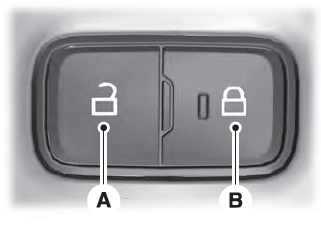
Locking the Doors
Press the lock switch on the door interior trim panel. The doors can no longer be released using the exterior door handle switches and the luggage compartment locks.

Copyright © 2026 www.liaviator2.com