
Lincoln Aviator 2020-2026 Service Manual / Electrical / Electronic Feature Group / Multifunction Electronic Modules / Description and Operation - Module Controlled Functions - Overview
Lincoln Aviator: Multifunction Electronic Modules / Description and Operation - Module Controlled Functions - Overview
BCM
The BCM controls the following:
- Ambient lighting
- Battery load shed function
- Battery management function
- Delayed accessory function
- Dimmable backlighting
- Exterior lighting
- Heated rear windows
- Heated exterior mirrors
- Interior lighting
- Keyless entry keypad
- PATS
- Perimeter alarm
- Post crash alert function
- Power door locks
- Push-button start function
- RKE
- Remote start function (if equipped)
- SOBDMC (if equipped)
- TPMS
- Transport mode function
- WACM
BCMC
The BCMC controls the following:
- A/C refrigerant distribution valves
- A/C clutch control
- AWD relay
- Battery pack coolant control valves
- Delay accessory relay
- Engine coolant bypass valves
- Front blower motor
- Fuel pump relay
- Headlamp washer relay
- Horn relay
- Multi-contour seats
- Powerpoint relays
- Starter relay
- Third row seat release (if equipped)
- Wiper and washer relays

 Description and Operation - Module Controlled Functions - System Operation and Component Description
System Operation
BCM
The BCM
controls various systems by monitoring inputs from switches, sensors
and network messages from other modules and components on the HS-CAN1, LIN and the GWM...
Other information:
Lincoln Aviator 2020-2026 Service Manual: Diagnosis and Testing - Fuel Tank and Lines
Diagnostic Trouble Code (DTC) Chart Diagnostics in this manual assume a certain skill level and knowledge of Ford-specific diagnostic practices.REFER to: Diagnostic Methods (100-00 General Information, Description and Operation). Diagnostic Trouble Code Chart Module DTC Description Action PCM P008A:00 Low Pressure Fuel System Pressure - Too Low: No Sub Type Information GO to Pinpoint Test HC PCM P008B:00 Low Pressure Fuel System Pressure - Too High: No Sub Type Information GO to Pinpoint Test HC PCM P00BA:00 Low Fuel Pressure - Forced Limited Power: No Sub Type Information GO to Pinpoint Test HC PCM P00BB:00 Fuel Injector Insufficient Flow - Forced Limited Power: No Sub Type Information GO to Pinpoint Test HC PCM P0148:00 Fuel Delivery Error: No Sub Type Information GO to Pinpoint Test HC PCM P0230:00 Fuel Pump Primary Circuit: No Sub Type Information GO to Pinpoint Test KC PCM P0231:00 Fuel Pump Secondary Circuit Low: No Sub Type Information GO to Pinpoint Test KC PCM P0232:00 Fuel Pump Secondary Circuit High: No Sub Type Information GO to Pinpoint Test KC PCM P025A:00 Fuel Pump Module A Control Circuit/Open: No Sub Type Information GO to Pinpoint Test KC PCM P025B:00 Fuel Pump Module A Control Circuit Range/Performance: No Sub Type Information GO to Pinpoint Test KC PCM P025C:00 Fuel Pump Module A Control Circuit Low: No Sub Type Information GO to Pinpoint Test KC PCM P025D:00 Fuel Pump Module A Control Circuit High: No Sub Type Information GO to Pinpoint Test KC PCM P027B:00 Fuel Pump Module B Control Circuit Range/Performance: No Sub Type Information GO to Pinpoint Test KC PCM P0627:00 Fuel Pump A Control Circuit/Open: No Sub Type Information GO to Pinpoint Test KC PCM P064A:00 Fuel Pump Control Module A: No Sub Type Information GO to Pinpoint Test KC PCM P166A:00 Restraints Deployment Communication Circuit: No Sub Type Information GO to Pinpoint Test KC PCM P2632:00 Fuel Pump B Control Circuit/Open: No Sub Type Information GO to Pinpoint Test KC PCM P26EA:00 Fuel Pump Control Module B: No Sub Type Information GO to Pinpoint Test KC PCM U0109:00 Lost Communication With Fuel Pump Control Module A: No Sub Type Information GO to Pinpoint Test KC PCM U016C:00 Lost Communication With Fuel Pump Control Module B: No Sub Type Information GO to Pinpoint Test KC PCM U210B:00 Lost Communication Between Fuel Pump Control Module A And Restraints Control Module: No Sub Type Information GO to Pinpoint Test KC Global Customer Symptom Code (GCSC) Chart Diagnostics in this manual assume a certain skill level and knowledge of Ford-specific diagnostic practices...
Lincoln Aviator 2020-2026 Owners Manual: Driving on Snow and Ice
WARNING: If you are driving in slippery conditions that require tire chains or cables, then it is critical that you drive cautiously. Keep speeds down, allow for longer stopping distances and avoid aggressive steering to reduce the chances of a loss of vehicle control which can lead to serious injury or death...
Categories
- Manuals Home
- Lincoln Aviator Owners Manual
- Lincoln Aviator Service Manual
- Keyless Entry
- Description and Operation - Jacking and Lifting
- Wireless Accessory Charger (If Equipped)
- New on site
- Most important about car
Fastening the Seatbelts
The front outboard and rear safety restraints in the vehicle are combination lap and shoulder belts.
Insert the belt tongue into the proper buckle (the buckle closest to the direction the tongue is coming from) until you hear a snap and feel it latch. Make sure that you securely fasten the tongue in the buckle.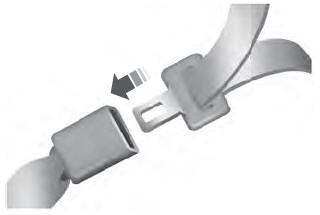

Copyright © 2026 www.liaviator2.com