
Lincoln Aviator 2020-2026 Owners Manual / Steering Wheel / Cruise Control - Vehicles With: Cruise Control
Lincoln Aviator: Steering Wheel / Cruise Control - Vehicles With: Cruise Control
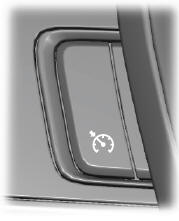
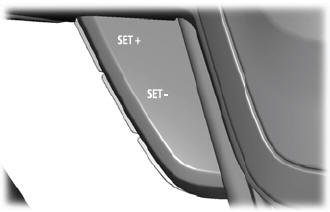
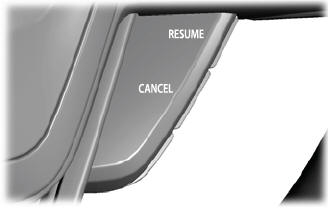
The following controls are only available when you switch cruise control on.
Note: You must press the controls from behind the wheel.


Other information:
Lincoln Aviator 2020-2026 Service Manual: Overhaul - Transmission
Special Tool(s) / General Equipment 100-001 (T50T-100-A) Slide Hammer 100-002 (TOOL-4201-C) Holding Fixture with Dial Indicator Gauge 205-1018Installation Tube 307-003 (T57L-500-B) Holding Fixture, Transmission 307-091Handle, Torque ConverterTKIT-2009TC-F 307-309Remover, Torque Converter SealTKIT-1994-FMH/FLMHTKIT-1994-LMH/MHTKIT-1994-FH 307-346 (T97T-7902-A) Retainer, Torque ConverterTKIT-1998-LM (NavigatoR)TKIT-1997-F/FLM/LT 307-549Installer, Shift Shaft Fluid SealTKIT-2005D1-F1 307-5842-6 Spring CompressorTKIT-2006UF-FLMTKIT-2006UF-ROW 307-589Overdrive clutch and balance piston service setTKIT-2006UF-FLMTKIT-2006UF-ROW 307-651Bracket, Pump Remover/Installer 307-651-02Lift fixture adapter for 307-651 307-661Gauge, End PlayTKIT-2009C-FTKIT-2009C-ROW 307-661-01Spacers/Plate, Clearance Gage 307-662Gauge, Clutch Pack EndplayTKIT-2009C-FTKIT-2009C-ROW 307-691Tester, Torque Convertor Leak 307-732Tool Kit, Torque Converter Flusher 307-732-02Adapter for 307-732 Converter flushing Mandrel 307-736Installer, Pump Drive Gear Bearing 307-737Press Tool, Oil Pump Drive Idler Gear 307-741Spring Compressor, F Clutch 307-743Remover, Pump Drive Gear 307-746Remover, Transmission Wiring Harness Connector 307-780Converter Seal installer 307-782Installer, Output Shaft Seal 307-783Installer, Roll Pin 307-784One way clutch alignment tool 307-785Clutch spring compressor 307-786F7 Seal Installer/Sizer Input Shaft 307-787F8 Seal Installer/Sizer Input Shaft 307-790Endplay Check Gauge 307-796F2 Seal Guide, Installer & Sizer 307-797Installer, Alignment Studs (3) & Alignment Pin (All 10R) 307-803F1 Seal Guide, Installer & Sizer 307-804F9 Seal Guide, Installer & Sizer Rubber Mallet Hydraulic Press Punch Wooden Block Magnet Materials Name Specification Motorcraft® MERCON® ULV Automatic Transmission FluidXT-12-QULV WSS-M2C949-A, MERCON® ULV All vehicles Transmission overhaul includes the following: Complete disassembly of the transmission Cleaning and inspecting of all components Replacement of all seals, gaskets, and one time use components...
Lincoln Aviator 2020-2026 Service Manual: Removal and Installation - Rear Door Moulding
Removal NOTE: Removal steps in this procedure may contain installation details. NOTE: LH side door shown, RH side door similar. NOTE: Do not use excessive force when removing retainers, to avoid damage to moulding. Using a non-marring trim tool, disengage the moulding retainers attaching the moulding to the door...
Categories
- Manuals Home
- Lincoln Aviator Owners Manual
- Lincoln Aviator Service Manual
- Locking and Unlocking
- Tire Change Procedure
- Wireless Accessory Charger (If Equipped)
- New on site
- Most important about car
Child Seats
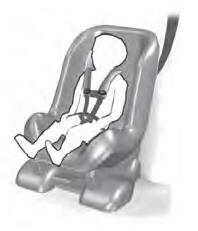
Use a child restraint (sometimes called an infant carrier, convertible seat, or toddler seat) for infants, toddlers and children weighing 40 lb (18 kg) or less (generally four-years-old or younger).
Using Lap and Shoulder Belts
WARNING: Do not place a rearward facing child restraint in front of an active airbag. Failure to follow this instruction could result in personal injury or death.

Copyright © 2026 www.liaviator2.com