
Lincoln Aviator: Maintenance / Engine Oil Check
Engine Oil Dipstick
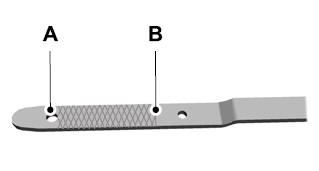
Engine Oil Check
To check the engine oil level consistently and accurately, do the following:
- Make sure the parking brake is on. Make sure the transmission is in park (P) or neutral (N).
- Run the engine until it reaches normal operating temperature.
- Make sure that your vehicle is on level ground.
- Switch the engine off and wait 15 minutes for the oil to drain into the oil pan. Checking the engine oil level too soon after you switch the engine off may result in an inaccurate reading.
- Open the hood.
- Remove the dipstick and wipe it with a clean, lint-free cloth.
- Reinstall the dipstick and remove it again to check the oil level.
- Make sure that the oil level is between the maximum and minimum marks. If the oil level is at the minimum mark, add oil immediately.
- If the oil level is correct, replace the dipstick and make sure it is fully seated.
Note: Do not remove the dipstick when the engine is running.
Note: If the oil level is between the maximum and minimum marks, the oil level is acceptable. Do not add oil.
Note: The oil consumption of new engines reaches its normal level after approximately 3,000 mi (5,000 km).
Adding Engine Oil
WARNING: Do not remove the filler cap when the engine is running. Do not use supplemental engine oil additives because they are unnecessary and could lead to engine damage that may not be covered by the vehicle Warranty.

Only use oils certified for gasoline engines by the American Petroleum Institute (API). An oil with this trademark symbol conforms to the current engine and emission system protection standards and fuel economy requirements of the International Lubricants Specification Advisory Committee (ILSAC).
To top up the engine oil level do the following:
- Clean the area surrounding the engine oil filler cap before you remove it.
- Remove the engine oil filler cap. Turn it counterclockwise and remove it.
- Add engine oil that meets our specifications. You may have to use a funnel to pour the engine oil into the opening.
- Recheck the oil level.
- If the oil level is correct, replace the dipstick and make sure it is fully seated.
- Replace the engine oil filler cap. Turn it clockwise until you feel a strong resistance.
Note: Do not add oil further than the maximum mark. Oil levels above the maximum mark may cause engine damage.
Note: Make sure you install the oil filler cap correctly.
Note: Soak up any spillage with an absorbent cloth immediately.


Other information:
Lincoln Aviator 2020-2026 Owners Manual: Ambient Lighting (If equipped)
Use the touchscreen to select the following: Select the settings option on the feature bar. Select ambient lighting. Switching Ambient Lighting On Touch a color once. Changing the Color Touch any color once. Adjusting the Brightness Drag the selected color up or down...
Lincoln Aviator 2020-2026 Owners Manual: Wireless Accessory Charger (If Equipped)
WARNING: Wireless charging devices can affect the operation of implanted medical devices, including cardiac pacemakers. If you have any implanted medical devices, we recommend that you consult with your physician. Note: Devices without built-in Qi wireless charging receivers require an additional Qi receiver or sleeve...
Categories
- Manuals Home
- Lincoln Aviator Owners Manual
- Lincoln Aviator Service Manual
- Disabling Auto-Start-Stop
- Child Safety Locks
- General Procedures - Transmission Fluid Drain and Refill
- New on site
- Most important about car
Remote Control
Passive Key
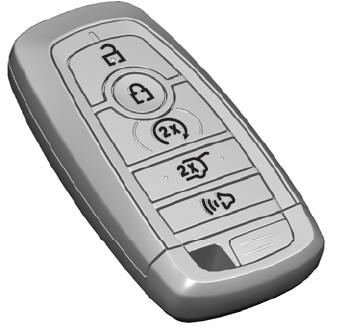
The passive key operates the power locks and the remote start system. The passive key must be in your vehicle to use the push button start.
Note: You may not be able to shift out of park (P) unless the passive key is inside your vehicle.
