Lincoln Aviator: Maintenance / General Information

Have your vehicle serviced regularly to help maintain its roadworthiness and resale value. There is a large network of authorized dealers that are there to help you with their professional servicing expertise. We believe that their specially trained technicians are best qualified to service your vehicle properly and expertly. They are supported by a wide range of highly specialized tools developed specifically for servicing your vehicle.

If your vehicle requires professional service, an authorized dealer can provide the necessary parts and service. Check your warranty information to find out which parts and services are covered.

Use only recommended fuels, lubricants, fluids and service parts conforming to specifications. Motorcraft® parts are designed and built to provide the best performance in your vehicle.

Precautions

  • Do not work on a hot engine.
  • Make sure that nothing gets caught in moving parts.
  • Do not work on a vehicle with the engine running in an enclosed space, unless you are sure you have enough ventilation.
  • Keep all open flames and other burning material (such as cigarettes) away from the battery and all fuel related parts.

Working with the Engine Off

  1. Set the parking brake and shift the transmission to park (P).
  2. Switch off the engine.
  3. Block the wheels.

Working with the Engine On

WARNING: To reduce the risk of vehicle damage and personal burn injuries, do not start your engine with the air cleaner removed and do not remove it while the engine is running.

  1. Set the parking brake and shift the transmission to park (P).
  2. Block the wheels.

    Maintenance

    ..

    Opening and Closing the Hood

    Opening the Hood Open the left-hand front door. Fully pull the hood release lever and let it completely retract.Note: This action releases the hood latch...

    Other information:

    Lincoln Aviator 2020-2026 Service Manual: Diagnosis and Testing - Engine Ignition


    Diagnostic Trouble Code (DTC) Chart Diagnostics in this manual assume a certain skill level and knowledge of Ford-specific diagnostic practices.REFER to: Diagnostic Methods (100-00 General Information, Description and Operation).   Diagnostic Trouble Code Chart Module   DTC Description Action   PCM P0300:00 Random Misfire Detected: No Sub Type Information   GO to Pinpoint Test HD   PCM P0301:00 Cylinder 1 Misfire Detected: No Sub Type Information   GO to Pinpoint Test HD   PCM P0302:00 Cylinder 2 Misfire Detected: No Sub Type Information   GO to Pinpoint Test HD   PCM P0303:00 Cylinder 3 Misfire Detected: No Sub Type Information   GO to Pinpoint Test HD   PCM P0304:00 Cylinder 4 Misfire Detected: No Sub Type Information   GO to Pinpoint Test HD   PCM P0305:00 Cylinder 5 Misfire Detected: No Sub Type Information   GO to Pinpoint Test HD   PCM P0306:00 Cylinder 6 Misfire Detected: No Sub Type Information   GO to Pinpoint Test HD   PCM P0307:00 Cylinder 7 Misfire Detected: No Sub Type Information   GO to Pinpoint Test HD   PCM P0308:00 Cylinder 8 Misfire Detected: No Sub Type Information   GO to Pinpoint Test HD   PCM P0313:00 Misfire Detected With Low Fuel: No Sub Type Information   GO to Pinpoint Test HD   PCM P0316:00 Misfire Detected On Startup (First 1000 Revolutions): No Sub Type Information   GO to Pinpoint Test HD   PCM P0325:00 Knock/Combustion Vibration Sensor A Circuit: No Sub Type Information   GO to Pinpoint Test DG   PCM P0327:00 Knock/Combustion Vibration Sensor A Circuit Low: No Sub Type Information   GO to Pinpoint Test DG   PCM P0328:00 Knock/Combustion Vibration Sensor A Circuit High: No Sub Type Information   GO to Pinpoint Test DG   PCM P032A:00 Knock/Combustion Vibration Sensor C Circuit: No Sub Type Information   GO to Pinpoint Test DG   PCM P032C:00 Knock/Combustion Vibration Sensor C Circuit Low: No Sub Type Information   GO to Pinpoint Test DG   PCM P032D:00 Knock/Combustion Vibration Sensor C Circuit High: No Sub Type Information   GO to Pinpoint Test DG   PCM P0330:00 Knock/Combustion Vibration Sensor B Circuit: No Sub Type Information   GO to Pinpoint Test DG   PCM P0332:00 Knock/Combustion Vibration Sensor B Circuit Low: No Sub Type Information   GO to Pinpoint Test DG   PCM P0333:00 Knock/Combustion Vibration Sensor B Circuit High: No Sub Type Information   GO to Pinpoint Test DG   PCM P033A:00 Knock/Combustion Vibration Sensor D Circuit: No Sub Type Information   GO to Pinpoint Test DG   PCM P033C:00 Knock/Combustion Vibration Sensor D Circuit Low: No Sub Type Information   GO to Pinpoint Test DG   PCM P033D:00 Knock/Combustion Vibration Sensor D Circuit High: No Sub Type Information   GO to Pinpoint Test DG   PCM P0351:00 Ignition Coil A Primary Control Circuit/Open: No Sub Type Information   GO to Pinpoint Test JF   PCM P0352:00 Ignition Coil B Primary Control Circuit/Open: No Sub Type Information   GO to Pinpoint Test JF   PCM P0353:00 Ignition Coil C Primary Control Circuit/Open: No Sub Type Information   GO to Pinpoint Test JF   PCM P0354:00 Ignition Coil D Primary Control Circuit/Open: No Sub Type Information   GO to Pinpoint Test JF   PCM P0355:00 Ignition Coil E Primary Control Circuit/Open: No Sub Type Information   GO to Pinpoint Test JF   PCM P0356:00 Ignition Coil F Primary Control Circuit/Open: No Sub Type Information   GO to Pinpoint Test JF   PCM P0357:00 Ignition Coil G Primary Control Circuit/Open: No Sub Type Information   GO to Pinpoint Test JF   PCM P0358:00 Ignition Coil H Primary Control Circuit/Open: No Sub Type Information   GO to Pinpoint Test JF   PCM P06B6:00 Internal Control Module Knock Sensor Processor 1 Performance: No Sub Type Information   GO to Pinpoint Test DG   PCM P06D1:00 Internal Control Module Ignition Coil Control Module Performance: No Sub Type Information   GO to Pinpoint Test JF   PCM P112A:00 Too Many Engine Starts During Factory/Transport Mode: No Sub Type Information   GO to Pinpoint Test JB   PCM P130D:00 Engine Knock/Combustion Performance - Forced Limited Power: No Sub Type Information   GO to Pinpoint Test DG   PCM P2300:00 Ignition Coil A Primary Control Circuit Low: No Sub Type Information   GO to Pinpoint Test JF   PCM P2301:00 Ignition Coil A Primary Control Circuit High: No Sub Type Information   GO to Pinpoint Test JF   PCM P2303:00 Ignition Coil B Primary Control Circuit Low: No Sub Type Information   GO to Pinpoint Test JF   PCM P2304:00 Ignition Coil B Primary Control Circuit High: No Sub Type Information   GO to Pinpoint Test JF   PCM P2306:00 Ignition Coil C Primary Control Circuit Low: No Sub Type Information   GO to Pinpoint Test JF   PCM P2307:00 Ignition Coil C Primary Control Circuit High: No Sub Type Information   GO to Pinpoint Test JF   PCM P2309:00 Ignition Coil D Primary Control Circuit Low: No Sub Type Information   GO to Pinpoint Test JF   PCM P2310:00 Ignition Coil D Primary Control Circuit High: No Sub Type Information   GO to Pinpoint Test JF   PCM P2312:00 Ignition Coil E Primary Control Circuit Low: No Sub Type Information   GO to Pinpoint Test JF   PCM P2313:00 Ignition Coil E Primary Control Circuit High: No Sub Type Information   GO to Pinpoint Test JF   PCM P2315:00 Ignition Coil F Primary Control Circuit Low: No Sub Type Information   GO to Pinpoint Test JF   PCM P2316:00 Ignition Coil F Primary Control Circuit High: No Sub Type Information   GO to Pinpoint Test JF   PCM P2319:00 Ignition Coil G Primary Control Circuit High: No Sub Type Information   GO to Pinpoint Test JF   PCM P2322:00 Ignition Coil H Primary Control Circuit High: No Sub Type Information   GO to Pinpoint Test JF Global Customer Symptom Code (GCSC) Chart Diagnostics in this manual assume a certain skill level and knowledge of Ford-specific diagnostic practices...

    Lincoln Aviator 2020-2026 Owners Manual: Apple CarPlay (If Equipped)


    Connect your device to a USB port. Follow the instructions on the touchscreen. Note: Certain features of the system are not available when you are using Apple CarPlay. Switching Apple CarPlay Off Select the settings option on the feature bar...

    Categories

    Child Seats

    Lincoln Aviator. Child Seats

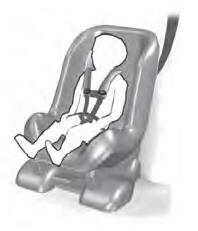
    Use a child restraint (sometimes called an infant carrier, convertible seat, or toddler seat) for infants, toddlers and children weighing 40 lb (18 kg) or less (generally four-years-old or younger).

    Using Lap and Shoulder Belts

    WARNING: Do not place a rearward facing child restraint in front of an active airbag. Failure to follow this instruction could result in personal injury or death.

    read more

     
    Copyright © 2026 www.liaviator2.com