Lincoln Aviator: Rear Disc Brake / Removal and Installation - Brake Caliper
Removal
.jpg) WARNING:
Service actions on vehicles equipped with electronic brake
booster and electronic parking brakes may cause unexpected brake
application, which could result in injury to hands or fingers. Put the
brake system into service mode prior to servicing or removing any brake
components. Failure to follow this instruction may result in serious
personal injury.
WARNING:
Service actions on vehicles equipped with electronic brake
booster and electronic parking brakes may cause unexpected brake
application, which could result in injury to hands or fingers. Put the
brake system into service mode prior to servicing or removing any brake
components. Failure to follow this instruction may result in serious
personal injury.
NOTICE: Make sure that all openings are sealed.
NOTICE: If the fluid is spilled on the paintwork, the affected area must be immediately washed down with cold water.
NOTE: Removal steps in this procedure may contain installation details.
-
Activate the brake service mode.
Refer to: Brake Service Mode Activation and Deactivation (206-00 Brake System - General Information, General Procedures).
-
Remove the wheel and tire.
Refer to: Wheel and Tire (204-04A Wheels and Tires, Removal and Installation).
-
Disconnect the EPB actuator motor electrical connector.
.jpg) |
-
Remove the brake caliper flow bolt, washers and position the brake hose aside. Discard the washers.
Torque: 26 lb.ft (35 Nm)
.jpg) |
-
Remove the bolts and the brake caliper.
Torque: 26 lb.ft (35 Nm)
.jpg) |
-
Remove and discard the brake pads.
.jpg) |
-
Remove the bolts and the parking brake actuator motor. Discard the bolts.
Torque: 97 lb.in (11 Nm)
.jpg) |
Installation
-
Install the brake pads.
Refer to: Brake Pads (206-04 Rear Disc Brake, Removal and Installation).
-
NOTICE: Make sure that the brake hose is not twisted when installing the brake caliper or damage to the brake flexible hose may occur.
NOTICE: Do not damage the O-ring when installing the parking brake actuator motor to the brake caliper housing.
To install, reverse the removal procedure.
-
Deactivate the brake service mode.
Refer to: Brake Service Mode Activation and Deactivation (206-00 Brake System - General Information, General Procedures).
-
Bleed the brake system.
Refer to: Brake System Pressure Bleeding (206-00 Brake System - General Information, General Procedures).

 Removal and Installation - Brake Caliper Anchor Plate
Removal
NOTE:
Removal steps in this procedure may contain installation details.
Remove the brake pads.
Refer to: Brake Pads (206-04 Rear Disc Brake, Removal and Installation)...
Other information:
Lincoln Aviator 2020-2026 Service Manual: Removal and Installation - Overhead Console
Special Tool(s) / General Equipment Interior Trim Remover Removal Starting at the back, release the clips and remove the overhead console. Disconnect the electrical connectors. Use the General Equipment: Interior Trim Remover Installation To install, reverse the removal procedure...
Lincoln Aviator 2020-2026 Service Manual: Removal and Installation - Rear Door Check Arm
Removal NOTE: Removal steps in this procedure may contain installation details. NOTE: LH side shown, RH similar. Open the door. Remove the check arm bolt. Torque: 18 lb.ft (25 Nm) Remove the rear door check arm cover...
Categories
- Manuals Home
- Lincoln Aviator Owners Manual
- Lincoln Aviator Service Manual
- Disabling Auto-Start-Stop
- Tire Change Procedure
- Body and Paint
- New on site
- Most important about car
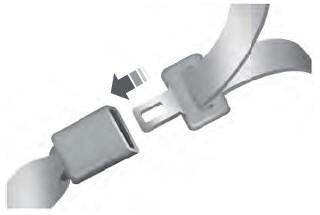
Fastening the Seatbelts
The front outboard and rear safety restraints in the vehicle are combination lap and shoulder belts.
Insert the belt tongue into the proper buckle (the buckle closest to the direction the tongue is coming from) until you hear a snap and feel it latch. Make sure that you securely fasten the tongue in the buckle.