
Lincoln Aviator 2020-2026 Owners Manual / Reverse Braking Assist
Lincoln Aviator: Reverse Braking Assist
What Is Reverse Braking Assist
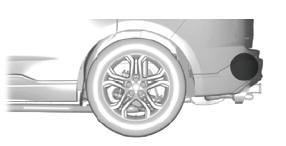
The system is designed to reduce impact damage or avoid a collision completely by using the sensors on the rear of your vehicle. The system functions when in reverse (R) and traveling at a speed of 1–7 mph (1.5–12 km/h).
If the system detects an obstacle behind your vehicle, it provides a warning through the rear parking aid or cross traffic alert system.
- Reverse Braking Assist Precautions
- Overriding Reverse Braking Assist. Reverse Braking Assist Indicators
- Reverse Braking Assist – Troubleshooting
 Auto Hold
WARNING: The system does not
replace the parking brake. When you leave
your vehicle, always apply the parking
brake.
WARNING: You must remain in your
vehicle when the system turns on...
 Reverse Braking Assist Precautions
WARNING: You are responsible for
controlling your vehicle at all times. The
system is designed to be an aid and does
not relieve you of your responsibility to
drive with due care and attention...
Other information:
Lincoln Aviator 2020-2026 Service Manual: Specifications
General Specifications Item Specification Normal engine cranking speed (Average) 140-200 RPM Starting circuit maximum voltage drop (Engine at normal operating temperature) (Average) 0...
Lincoln Aviator 2020-2026 Service Manual: General Procedures - Transmission Park by Wire Manual Release
Activation NOTE: If the vehicle has a discharged battery, an external power source is required. Apply the parking brake. Remove the console mat. NOTE: Use a screwdriver no longer than 120 mm (4...
Categories
- Manuals Home
- Lincoln Aviator Owners Manual
- Lincoln Aviator Service Manual
- Changing the Front Wiper Blades - Vehicles With: Heated Wiper Blades
- Description and Operation - Jacking and Lifting
- Drive Modes
- New on site
- Most important about car
Child Safety Locks
When the child safety locks are set, you cannot open the rear doors from the inside.
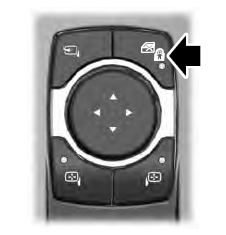
The child safety lock control is on the driver door.
Press the control to switch the child safety locks on. Press the control again to switch them off. A light on the child safety control illuminates when you switch them on.

Copyright © 2026 www.liaviator2.com