
Lincoln Aviator 2020-2026 Service Manual / Powertrain / Engine / Starting System - 3.0L EcoBoost / Specifications
Lincoln Aviator: Starting System - 3.0L EcoBoost / Specifications
General Specifications
| Item | Specification |
|---|---|
| Normal engine cranking speed (Average) | 140-200 RPM |
| Starting circuit maximum voltage drop (Engine at normal operating temperature) (Average) | 0.5 volt |
| Starter motor maximum load current draw | 1000 amps |
| Starter motor no-load current draw (Average) | 40-90 amps |
| Starter motor normal load current draw (Average) | 140-200 amps |

 Description and Operation - Starting System - Overview
Starting System
The starting system controls the cranking of the engine. The PCM energizes the starter relay when it receives inputs from the ignition switch, automatic transmission, and the BCM...
Other information:
Lincoln Aviator 2020-2026 Owners Manual: Adding Fuel From a Portable Fuel Container
WARNING: Do not insert the nozzle of a fuel container or an aftermarket funnel into the fuel filler neck. This may damage the fuel system filler neck or its seal and cause fuel to run onto the ground. WARNING: Do not try to pry open or push open the capless fuel system with foreign objects...
Lincoln Aviator 2020-2026 Owners Manual: Age
WARNING: Tires degrade over time depending on many factors such as weather, storage conditions, and conditions of use (load, speed, inflation pressure) the tires experience throughout their lives. In general, tires should be replaced after six years regardless of tread wear...
Categories
- Manuals Home
- Lincoln Aviator Owners Manual
- Lincoln Aviator Service Manual
- Resetting the System
- General Procedures - Transmission Fluid Drain and Refill
- Description and Operation - Body and Frame
- New on site
- Most important about car
Fastening the Seatbelts
The front outboard and rear safety restraints in the vehicle are combination lap and shoulder belts.
Insert the belt tongue into the proper buckle (the buckle closest to the direction the tongue is coming from) until you hear a snap and feel it latch. Make sure that you securely fasten the tongue in the buckle.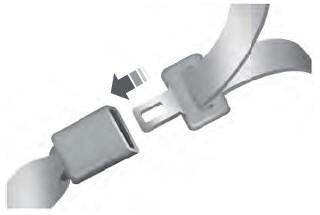

Copyright © 2026 www.liaviator2.com