
Lincoln Aviator 2020-2026 Owners Manual / Stability Control / Using Stability Control
Lincoln Aviator: Stability Control / Using Stability Control
The system automatically turns on each time you switch the ignition on.
You cannot switch the stability control and roll stability control systems off, but when you shift into reverse (R), the systems deactivate.
You can switch the traction control system off or on.
 Principle of Operation
WARNING: Vehicle modifications
involving braking system, aftermarket roof
racks, suspension, steering system, tire
construction and wheel and tire size may
change the handling characteristics of your
vehicle and may adversely affect the
performance of the electronic stability
control system...

Other information:
Lincoln Aviator 2020-2026 Service Manual: Removal and Installation - Rear Spoiler
Special Tool(s) / General Equipment Interior Trim Remover Removal NOTE: Removal steps in this procedure may contain installation details. Open the rear tail gate. Release the clips and remove the upper liftgate trim panel...
Lincoln Aviator 2020-2026 Service Manual: Disassembly and Assembly - Shock Absorber and Spring Assembly - Vehicles With: Air Suspension
Special Tool(s) / General Equipment Flat Headed Screw Driver DISASSEMBLY WARNING: Vent all air pressure from the air suspension system prior to disconnecting or removing any air suspension components. It is dangerous to remove air suspension components while under pressure...
Categories
- Manuals Home
- Lincoln Aviator Owners Manual
- Lincoln Aviator Service Manual
- Changing the Front Wiper Blades - Vehicles With: Heated Wiper Blades
- Garage Door Opener
- Description and Operation - Jacking and Lifting
- New on site
- Most important about car
Child Seats
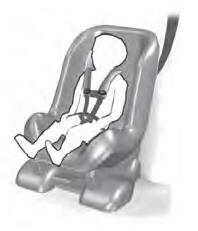
Use a child restraint (sometimes called an infant carrier, convertible seat, or toddler seat) for infants, toddlers and children weighing 40 lb (18 kg) or less (generally four-years-old or younger).
Using Lap and Shoulder Belts
WARNING: Do not place a rearward facing child restraint in front of an active airbag. Failure to follow this instruction could result in personal injury or death.

Copyright © 2026 www.liaviator2.com