
Lincoln Aviator: Capacities and Specifications - Excluding: Plug-In Hybrid Electric Vehicle (PHEV) / Air Conditioning System
WARNING: The air conditioning refrigerant system contains refrigerant under high pressure. Only qualified personnel should service the air conditioning refrigerant system. Opening the air conditioning refrigerant system can cause personal injury.
Capacities

Materials
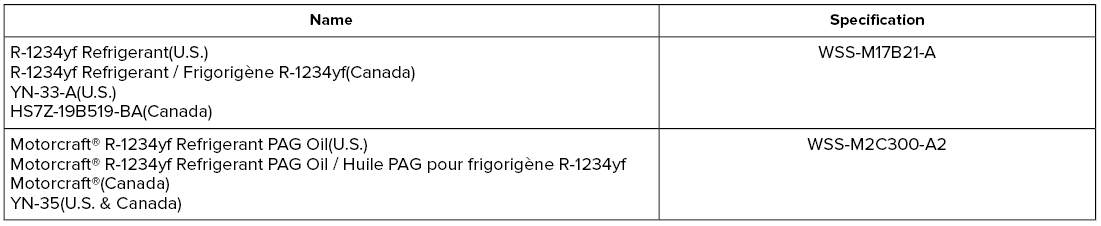
 Capacities and Specifications - Excluding: Plug-In Hybrid Electric Vehicle (PHEV)
Use oil and fluid that meets the defined
specification and viscosity grade.
If you do not use oil and fluid that meets the
defined specification and viscosity grade, it
could result in:
Component damage that your vehicle
warranty does not cover...
 Automatic Transmission
Note: Only use MERCON® ULV transmission
fluid for automatic transmissions that require
MERCON® ULV transmission fluid. The use
of any other fluid could cause transmission
damage...
Other information:
Lincoln Aviator 2020-2026 Service Manual: General Procedures - Fuel System Pressure Release
Pressure release With the vehicle in NEUTRAL, position it on a hoist. Refer to: Jacking and Lifting (100-02 Jacking and Lifting, Description and Operation). Remove the fasteners. Remove the nuts...
Lincoln Aviator 2020-2026 Service Manual: Removal and Installation - Axle Housing Bushing
Special Tool(s) / General Equipment 205-1066Installer, Bushing Flat Headed Screw Driver Removal NOTE: Only worn or damaged bushings need to be replaced. Remove the rear axle assembly. Refer to: Axle Assembly (205-02 Rear Drive Axle/Differential, Removal and Installation)...
Categories
- Manuals Home
- Lincoln Aviator Owners Manual
- Lincoln Aviator Service Manual
- Description and Operation - Jacking and Lifting
- Opening and Closing the Hood
- USB Port and Power Point Locations
- New on site
- Most important about car
Child Seats
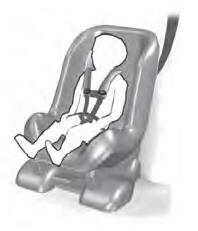
Use a child restraint (sometimes called an infant carrier, convertible seat, or toddler seat) for infants, toddlers and children weighing 40 lb (18 kg) or less (generally four-years-old or younger).
Using Lap and Shoulder Belts
WARNING: Do not place a rearward facing child restraint in front of an active airbag. Failure to follow this instruction could result in personal injury or death.

Copyright © 2026 www.liaviator2.com