Lincoln Aviator: Climate Control System - General Information / Description and Operation - Climate Control System - Overview

Vehicles with: Dual Automatic Temperature Control (DATC)

Overview

The DATC system maintains the selected vehicle interior temperature by heating and/or cooling the air depending on the HVAC control panel selection.

  • The driver may override the automatic mode of operation.
  • The temperature control setting is the desired cabin air temperature.
  • The blower motor control override buttons vary the blower motor speed.
  • The driver side and passenger side temperature settings can be individually controlled.
  • During A/C operation, the system reduces the relative humidity of the air inside the vehicle.

For the HEV equipped with supplemental heating.
Refer to: Supplemental Climate Control - System Operation and Component Description (412-03 Supplemental Climate Control, Description and Operation).
.

    Description and Operation - Climate Control System - Component Location

    I..

    Description and Operation - Climate Control System - System Operation and Component Description

    System Operation System Diagram Item Description 1 FDIM 2 Microphone 3 APIM 4 GWM 5 Ambient Air Temperature (AAT) sensor 6 PCM 7 A/C pressure transducer 8 A/C clutch relay ( BCMC) 9 A/C compressor clutch field coil 10 Externally Controlled Variable Displacement Compressor (EVDC) 11 Sunload sensor 12 In-vehicle temperature and humidity sensor 13 Evaporator temperature sensor 14 HVAC control module 15 Air distribution door actuator 16 Temperature door actuator 17 Passenger side temperature door actuator 18 Air inlet door actuator 19 Blower motor relay (BCMC) 20 Blower motor control module 21 Driver side register air discharge temperature sensor 22 Passenger side register air discharge temperature sensor 23 Driver side footwell air discharge temperature sensor 24 Ambient air quality sensor (if equipped) 25 Passenger side footwell air discharge temperature sensor 26 SOBDMC 27 ACCM 28 BCM 29 Particulate filter sensor (if equipped) Network Message Chart   ACCM - Module Network Input Messages Broadcast Message Originating Module Message Purpose Ambient air temperature filtered PCM \ PCM_ HEV This message contains the climate control system controls ambient air temperature information...

    Other information:

    Lincoln Aviator 2020-2026 Owners Manual: Head Up Display. Phone. Audio. Navigation


    H..

    Lincoln Aviator 2020-2026 Service Manual: Diagnosis and Testing - Evaporative Emissions


    Diagnostic Trouble Code (DTC) Chart Diagnostics in this manual assume a certain skill level and knowledge of Ford-specific diagnostic practices.REFER to: Diagnostic Methods (100-00 General Information, Description and Operation).   Diagnostic Trouble Code Chart Module   DTC Description Action   PCM P00FE:00 EVAP System Tank Vapor Line Restricted/Blocked: No Sub Type Information   GO to Pinpoint Test HX   PCM P043E:00 EVAP System Leak Detection Reference Orifice Low Flow: No Sub Type Information   GO to Pinpoint Test HX   PCM P043F:00 EVAP System Leak Detection Reference Orifice High Flow: No Sub Type Information   GO to Pinpoint Test HX   PCM P0442:00 EVAP System Leak Detected (Small Leak): No Sub Type Information   GO to Pinpoint Test HX   PCM P0443:00 EVAP System Purge Control Valve A Circuit: No Sub Type Information   GO to Pinpoint Test HX   PCM P0446:00 EVAP System Vent Control Circuit: No Sub Type Information   GO to Pinpoint Test HX   PCM P0451:00 EVAP System Pressure Sensor / Switch A Circuit Range / Performance: No Sub Type Information   GO to Pinpoint Test HX   PCM P0452:00 EVAP System Pressure Sensor / Switch A Circuit Low: No Sub Type Information   GO to Pinpoint Test HX   PCM P0453:00 EVAP System Pressure Sensor / Switch A Circuit High: No Sub Type Information   GO to Pinpoint Test HX   PCM P0454:00 EVAP System Pressure Sensor / Switch A Circuit Intermittent: No Sub Type Information   GO to Pinpoint Test HX   PCM P0455:00 EVAP System Leak Detected (Large Leak): No Sub Type Information   GO to Pinpoint Test HX   PCM P0456:00 EVAP System Leak Detected (Very Small Leak): No Sub Type Information   GO to Pinpoint Test HX   PCM P0457:00 EVAP System Leak Detected (Fuel Cap Loose / Off): No Sub Type Information   GO to Pinpoint Test HX   PCM P0460:00 Fuel Level Sensor A Circuit: No Sub Type Information   GO to Pinpoint Test HX   PCM P0461:00 Fuel Level Sensor A Circuit Range/Performance: No Sub Type Information   GO to Pinpoint Test HX   PCM P0462:00 Fuel Level Sensor A Circuit Low: No Sub Type Information   GO to Pinpoint Test HX   PCM P0463:00 Fuel Level Sensor A Circuit High: No Sub Type Information   GO to Pinpoint Test HX   PCM P0496:00 EVAP System High Purge Flow: No Sub Type Information   GO to Pinpoint Test HX   PCM P04EA:00 EVAP System Small Leak Detected - Fuel Tank Side: No Sub Type Information   GO to Pinpoint Test HX   PCM P04EB:00 EVAP System Small Leak Detected - Fresh Air Side: No Sub Type Information   GO to Pinpoint Test HX   PCM P04ED:00 EVAP System Large Leak Detected - Fresh Air Side: No Sub Type Information   GO to Pinpoint Test HX   PCM P04EE:00 EVAP System Very Small Leak Detected - Fuel Tank Side: No Sub Type Information   GO to Pinpoint Test HX   PCM P04EF:00 EVAP System Very Small Leak Detected - Fresh Air Side: No Sub Type Information   GO to Pinpoint Test HX   PCM P04F0:00 EVAP System High Load Purge Line A Performance: No Sub Type Information   GO to Pinpoint Test HX   PCM P144A:00 EVAP System Purge Vapor Line Restricted/Blocked: No Sub Type Information   GO to Pinpoint Test HX   PCM P144B:00 EVAP System Secondary Purge Vapor Line Restricted/Blocked: No Sub Type Information   GO to Pinpoint Test HX   PCM P144C:00 EVAP System Purge Flow Performance During Boost: No Sub Type Information   GO to Pinpoint Test HX   PCM P1450:00 Unable To Bleed Up Fuel Tank Vacuum: No Sub Type Information   GO to Pinpoint Test HX   PCM P2401:00 EVAP System Leak Detection Pump Control Circuit Low: No Sub Type Information   GO to Pinpoint Test HX   PCM P2402:00 EVAP System Leak Detection Pump Control Circuit High: No Sub Type Information   GO to Pinpoint Test HX   PCM P2418:00 EVAP System Switching Valve Control Circuit/Open: No Sub Type Information   GO to Pinpoint Test HX   PCM P2450:00 EVAP System Switching Valve Performance/Stuck Open: No Sub Type Information   GO to Pinpoint Test HX   PCM P2451:00 EVAP System Switching Valve Stuck Closed: No Sub Type Information   GO to Pinpoint Test HX   PCM P24B9:00 EVAP System Leak Detection Pump Pressure Sensor Circuit Range/Performance: No Sub Type Information   GO to Pinpoint Test HX   PCM P24BA:00 EVAP System Leak Detection Pump Pressure Sensor Circuit Low: No Sub Type Information   GO to Pinpoint Test HX   PCM P24BB:00 EVAP System Leak Detection Pump Pressure Sensor Circuit High: No Sub Type Information   GO to Pinpoint Test HX   PCM P24BC:00 EVAP System Leak Detection Pump Pressure Sensor Circuit Intermittent: No Sub Type Information   GO to Pinpoint Test HX   PCM P24BE:00 EVAP System Leak Detection Pump Vacuum Switching Valve Control Circuit Low: No Sub Type Information   GO to Pinpoint Test HX   PCM P24BF:00 EVAP System Leak Detection Pump Vacuum Switching Valve Control Circuit High: No Sub Type Information   GO to Pinpoint Test HX   PCM P24C0:00 EVAP System Leak Detection Pump Vacuum Switching Valve Stuck On: No Sub Type Information   GO to Pinpoint Test HX   PCM P24C1:00 EVAP System Leak Detection Pump Vacuum Switching Valve Performance/Stuck Off: No Sub Type Information   GO to Pinpoint Test HX   PCM P260F:00 EVAP System Monitoring Processor Performance: No Sub Type Information   GO to Pinpoint Test HX   PCM P2DDA:00 EVAP System Leak Detection Pump Performance/Stuck Off: No Sub Type Information   GO to Pinpoint Test HX   PCM P2DDB:00 EVAP System Leak Detection Pump Stuck On: No Sub Type Information   GO to Pinpoint Test HX Global Customer Symptom Code (GCSC) Chart Diagnostics in this manual assume a certain skill level and knowledge of Ford-specific diagnostic practices...

    Categories

    Child Seats

    Lincoln Aviator. Child Seats

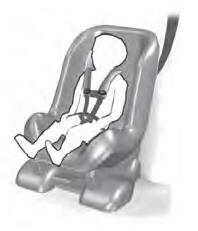
    Use a child restraint (sometimes called an infant carrier, convertible seat, or toddler seat) for infants, toddlers and children weighing 40 lb (18 kg) or less (generally four-years-old or younger).

    Using Lap and Shoulder Belts

    WARNING: Do not place a rearward facing child restraint in front of an active airbag. Failure to follow this instruction could result in personal injury or death.

    read more

     
    Copyright © 2026 www.liaviator2.com