
Lincoln Aviator: Climate Control System - General Information / General Procedures - Electronic Leak Detection - Vehicles With: R134A Refrigerant
Special Tool(s) / General Equipment
| Electronic Leak Detector |
Inspection
-
NOTE: Use a Rotunda-approved Electronic Leak Detector for R-134a refrigerant SAE Certified to J2791.
NOTE: Good ventilation is necessary in the area where electronic A/C leak testing is to be carried out. If the surrounding air is contaminated with refrigerant gas, the leak detector indicates this gas all the time. Odors from other chemicals such as antifreeze, disc brake cleaner or other cleaning solvents can cause the same problem. Using a fan to ventilate the area to be tested before proceeding with the leak detection procedure is helpful in removing small traces of contamination from the air, but the fan should be turned off during actual testing.
NOTE: If the surrounding air is contaminated with refrigerant gas, the leak detector indicates this gas all the time. Odors from other chemicals such as antifreeze, disc brake cleaner or other cleaning solvents can cause the same problem.
NOTE: R-134a, if present, is heavier than air, and tends to move down from the source of the leak. It is possible that a leak may not be detected if the leak detector tip is held above the leaking fitting, line or component. Always be sure to thoroughly leak test below, above and around the fitting, line or component for the presence of R-134a.
Leak check the service ports. Remove caps and blow air over the service ports to remove trapped refrigerant before leak testing ports.
-
023‐22791 Robinair Infrared A/C Refrigerant Leak Detector w/Case
Use the General Equipment: Electronic Leak Detector
-
023‐22791 Robinair Infrared A/C Refrigerant Leak Detector w/Case
-
NOTE: The system pressure should be 413-551 kPa (60 - 80 psi) at 24° C (75.2° F) with the engine off and cool. The pressure reading may be higher if the engine is hot.
Leak test the refrigerant system. Follow the instructions included with the Electronic Leak Detector for handling and operation techniques.
 General Procedures - Condenser Core Leak Check - Vehicles With: R1234YF Refrigerant
Special Tool(s) /
General Equipment
Air Conditioning Service Unit
Air Conditioning Adaptor Kit
Inspection
Recover the refrigerant...
 General Procedures - Evaporator Core Leak Check - Vehicles With: R134A Refrigerant
Special Tool(s) /
General Equipment
Air Conditioning Service Unit
Air Conditioning Adaptor Kit
Inspection
Recover the refrigerant...
Other information:
Lincoln Aviator 2020-2026 Owners Manual: Motorcraft Parts - Plug-In Hybrid Electric Vehicle (PHEV)
1 If a Motorcraft oil filter is not available, use an oil filter that meets industry performance specification SAE/USCAR-36. 2 See your authorized dealer for correct replacement. 3 For spark plug replacement, contact your authorized dealer. Replace the spark plugs at the appropriate intervals...
Lincoln Aviator 2020-2026 Owners Manual: Towing the Vehicle on Four Wheels
Emergency Towing WARNING: If your vehicle has a steering wheel lock make sure the ignition is in the accessory or on position when being towed. If your vehicle becomes inoperable without access to wheel dollies or a vehicle transport trailer, it can be flat-towed with all wheels on the ground, regardless of the powertrain and transmission configuration, under the following conditions: Your vehicle is facing forward for towing in a forward direction...
Categories
- Manuals Home
- Lincoln Aviator Owners Manual
- Lincoln Aviator Service Manual
- Locking and Unlocking
- Configuring The Head Up Display
- Description and Operation - Body and Frame
- New on site
- Most important about car
Child Seats
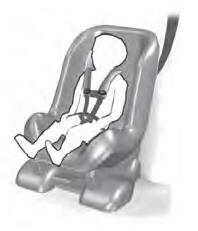
Use a child restraint (sometimes called an infant carrier, convertible seat, or toddler seat) for infants, toddlers and children weighing 40 lb (18 kg) or less (generally four-years-old or younger).
Using Lap and Shoulder Belts
WARNING: Do not place a rearward facing child restraint in front of an active airbag. Failure to follow this instruction could result in personal injury or death.
