Lincoln Aviator: Wheels and Tires / Using Summer Tires

Summer tires provide superior performance on wet and dry roads. Summer tires do not have the Mud and Snow (M+S or M/S) tire traction rating on the tire side wall. Since summer tires do not have the same traction performance as All-season or Snow tires, we do not recommend using summer tires when temperatures drop to approximately 45°F (7°C) or below (depending on tire wear and environmental conditions) or in snow and ice conditions. Like any tire, summer tire performance is affected by tire wear and environmental conditions. If you must drive in those conditions, we recommend using Mud and Snow (M+S, M/S), All-season or Snow tires.

Always store your summer tires indoors at temperatures above 19°F (-7°C). The rubber compounds used in these tires lose flexibility and may develop surface cracks in the tread area at temperatures below 19°F (-7°C). If the tires have been subjected to 19°F (-7°C) or less, warm them in a heated space to at least 41°F (5°C) for at least 24 hours before installing them on a vehicle, or moving the vehicle with the tires installed, or checking tire inflation. Do not place tires near heaters or heating devices used to warm the room where the tires are stored. Do not apply heat or blow heated air directly on the tires. Always inspect the tires after storage periods and before use.

    Tire Rotation Diagram

    R..

    Using Snow Chains

    WARNING: Do not exceed 30 mph (50 km/h). Failure to follow this instruction could result in the loss of control of your vehicle, personal injury or death...

    Other information:

    Lincoln Aviator 2020-2026 Service Manual: Diagnosis and Testing - Engine Temperature


    Diagnostic Trouble Code (DTC) Chart Diagnostics in this manual assume a certain skill level and knowledge of Ford-specific diagnostic practices.REFER to: Diagnostic Methods (100-00 General Information, Description and Operation).   Diagnostic Trouble Code Chart Module   DTC Description Action   PCM P0116:00 Engine Coolant Temperature Sensor 1 Circuit Range/Performance: No Sub Type Information   GO to Pinpoint Test DL   PCM P0116:00 Engine Coolant Temperature Sensor 1 Circuit Range/Performance: No Sub Type Information   GO to Pinpoint Test DX   PCM P0117:00 Engine Coolant Temperature Sensor 1 Circuit Low: No Sub Type Information   GO to Pinpoint Test DX   PCM P0118:00 Engine Coolant Temperature Sensor 1 Circuit High: No Sub Type Information   GO to Pinpoint Test DX   PCM P0119:00 Engine Coolant Temperature Sensor 1 Circuit Intermittent/Erratic: No Sub Type Information   GO to Pinpoint Test DL   PCM P0119:00 Engine Coolant Temperature Sensor 1 Circuit Intermittent/Erratic: No Sub Type Information   GO to Pinpoint Test DX   PCM P011E:00 Engine Coolant Temperature 1 / Ambient Air Temperature Correlation: No Sub Type Information   GO to Pinpoint Test DX   PCM P0125:00 Insufficient Coolant Temp For Closed Loop Fuel Control: No Sub Type Information   GO to Pinpoint Test DL   PCM P0125:00 Insufficient Coolant Temp For Closed Loop Fuel Control: No Sub Type Information   GO to Pinpoint Test DX   PCM P0128:00 Coolant Thermostat (Coolant Temp Below Thermostat Regulating Temperature): No Sub Type Information   GO to Pinpoint Test DL   PCM P0128:00 Coolant Thermostat (Coolant Temp Below Thermostat Regulating Temperature): No Sub Type Information   GO to Pinpoint Test DX   PCM P017C:00 Cylinder Head Temperature Sensor Circuit Low: No Sub Type Information   GO to Pinpoint Test DL   PCM P017D:00 Cylinder Head Temperature Sensor Circuit High: No Sub Type Information   GO to Pinpoint Test DL   PCM P017E:00 Cylinder Head Temperature Sensor Circuit Intermittent/Erratic: No Sub Type Information   GO to Pinpoint Test DL   PCM P101F:00 Cylinder Head Temperature Sensor 1 Out Of Self Test Range: No Sub Type Information   GO to Pinpoint Test DL   PCM P1021:00 Cylinder Head Temperature Sensor 2 Circuit Range/Performance: No Sub Type Information   GO to Pinpoint Test DL   PCM P1022:00 Cylinder Head Temperature Sensor 2 Circuit Low: No Sub Type Information   GO to Pinpoint Test DL   PCM P1023:00 Cylinder Head Temperature Sensor 2 Circuit High: No Sub Type Information   GO to Pinpoint Test DL   PCM P1024:00 Cylinder Head Temperature Sensor 2 Circuit Intermittent/Erratic: No Sub Type Information   GO to Pinpoint Test DL   PCM P1025:00 Cylinder Head Temperature Sensor 2 Out Of Self Test Range: No Sub Type Information   GO to Pinpoint Test DL   PCM P1026:00 Engine Coolant Temperature 1 / Cylinder Head Temperature 2 Correlation: No Sub Type Information   GO to Pinpoint Test DL   PCM P1116:00 Engine Coolant Temperature Sensor Out Of Self Test Range: No Sub Type Information   GO to Pinpoint Test DX   PCM P1117:00 Engine Coolant Temperature Sensor Circuit Intermittent: No Sub Type Information   GO to Pinpoint Test DX   PCM P111B:00 Engine Coolant Warm-Up Not Detected: No Sub Type Information   GO to Pinpoint Test DX   PCM P1285:00 Cylinder Head Over Temperature Condition: No Sub Type Information   GO to Pinpoint Test DL   PCM P1288:00 Cylinder Head Temperature Sensor Out Of Self Test Range: No Sub Type Information   GO to Pinpoint Test DL   PCM P1289:00 Cylinder Head Temperature Sensor Circuit High: No Sub Type Information   GO to Pinpoint Test DL   PCM P128A:00 Cylinder Head Temperature Sensor Circuit Intermittent/Erratic: No Sub Type Information   GO to Pinpoint Test DL   PCM P1290:00 Cylinder Head Temperature Sensor Circuit Low: No Sub Type Information   GO to Pinpoint Test DL Global Customer Symptom Code (GCSC) Chart Diagnostics in this manual assume a certain skill level and knowledge of Ford-specific diagnostic practices...

    Lincoln Aviator 2020-2026 Service Manual: Diagnosis and Testing - Leakage Inspection


    Leak Check Test With the vehicle in NEUTRAL, position it on a hoist. REFER to: Preliminary Inspection (307-01A Automatic Transmission - 10-Speed Automatic Transmission – 10R60, Diagnosis and Testing). Inspect the gasket and sealing areas for evidence of leakage...

    Categories

    Child Seats

    Lincoln Aviator. Child Seats

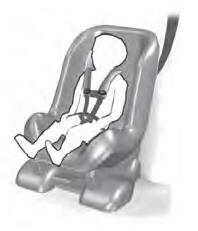
    Use a child restraint (sometimes called an infant carrier, convertible seat, or toddler seat) for infants, toddlers and children weighing 40 lb (18 kg) or less (generally four-years-old or younger).

    Using Lap and Shoulder Belts

    WARNING: Do not place a rearward facing child restraint in front of an active airbag. Failure to follow this instruction could result in personal injury or death.

    read more

     
    Copyright © 2026 www.liaviator2.com