
Lincoln Aviator: Engine Cooling - 3.0L EcoBoost / General Procedures - Engine Cooling System Flushing
Materials
| Name | Specification |
|---|---|
| Motorcraft® Premium Cooling System Flush VC-1 |
ESR-M14P7-A |
Flushing
.jpg) WARNING:
Always allow the engine to cool before opening the cooling
system. Do not unscrew the coolant pressure relief cap when the engine
is operating or the cooling system is hot. The cooling system is under
pressure; steam and hot liquid can come out forcefully when the cap is
loosened slightly. Failure to follow these instructions may result in
serious personal injury.
WARNING:
Always allow the engine to cool before opening the cooling
system. Do not unscrew the coolant pressure relief cap when the engine
is operating or the cooling system is hot. The cooling system is under
pressure; steam and hot liquid can come out forcefully when the cap is
loosened slightly. Failure to follow these instructions may result in
serious personal injury.
NOTE: To remove rust, sludge and other foreign material from the cooling system, use cooling system flush that is safe for use with aluminum radiators. This cleaning restores cooling system efficiency and helps prevent overheating. A pulsating or reversed direction of flushing water will loosen sediment more quickly than a steady flow in the normal coolant flow direction. In severe cases where cleaning solvents will not clean the cooling system efficiently, it will be necessary to use the pressure flushing method using cooling system flusher. Dispose of old coolant and flushing water contaminated with antifreeze and cleaning chemicals in accordance with local, state or federal laws.
-
Add Motorcraft® Premium Cooling System Flush to the cooling system and follow the directions on the package.
Material: Motorcraft® Premium Cooling System Flush / VC-1 (ESR-M14P7-A)
-
Drain the cooling system.
Refer to: Engine Cooling System Draining, Vacuum Filling and Bleeding (303-03A Engine Cooling - 3.0L EcoBoost, General Procedures).
-
Remove the radiator.
Refer to: Radiator (303-03A Engine Cooling - 3.0L EcoBoost, Removal and Installation).
-
NOTICE: Radiator internal pressure must not exceed 138 kPa (20 psi). Damage to the radiator can result.
Position the radiator upside down and with a high pressure hose in the lower radiator hose opening, backflush the radiator.
-
Remove the thermostat.
Refer to: Thermostat (303-03A Engine Cooling - 3.0L EcoBoost, Removal and Installation).
-
Install the coolant inlet connection without the thermostat.
Torque: 89 lb.in (10 Nm)
-
Backflush the engine. Position the high-pressure water
hose into the engine through the upper radiator hose and backflush the
engine.
-
Install the thermostat.
Refer to: Thermostat (303-03A Engine Cooling - 3.0L EcoBoost, Removal and Installation).
-
Install the radiator.
Refer to: Radiator (303-03A Engine Cooling - 3.0L EcoBoost, Removal and Installation).
-
Fill and bleed the cooling system.
Refer to: Engine Cooling System Draining, Vacuum Filling and Bleeding (303-03A Engine Cooling - 3.0L EcoBoost, General Procedures).
 General Procedures - Engine Cooling System Draining, Vacuum Filling and Bleeding
Special Tool(s) /
General Equipment
ROB75240Coolant/Battery Refractometer (Fahrenheit)
Fluid Container
Cooling System Vacuum Tester and Refiller
Draining
NOTICE:
The coolant must be recovered in a suitable, clean container
for reuse...
 Removal and Installation - Block Heater
Removal
NOTE:
Removal steps in this procedure may contain installation details.
Drain the cooling system.
Refer to: Engine Cooling System Draining, Vacuum Filling and Bleeding (303-03A Engine Cooling - 3...
Other information:
Lincoln Aviator 2020-2026 Service Manual: Removal and Installation - Steering Column Control Module (SCCM) - Vehicles With: Adaptive Steering
Removal NOTE: Removal steps in this procedure may contain installation details. NOTE: Make sure the road wheels are in the straight ahead position, regardless of steering wheel position. NOTE: This step is only necessary when installing a new component...
Lincoln Aviator 2020-2026 Service Manual: General Procedures - Lead Terminal Repair
Materials Name Specification Motorcraft® Ultra-Clear Spray Glass CleanerZC-23 ESR-M14P5-A Repair Bring the vehicle up to at least the specified room temperature or above. NOTE: The new terminal covers the original terminal location, but it must be placed so the terminal conductive areas will be placed on a good conductive base...
Categories
- Manuals Home
- Lincoln Aviator Owners Manual
- Lincoln Aviator Service Manual
- Keyless Entry
- Resetting the System
- Changing the Front Wiper Blades - Vehicles With: Heated Wiper Blades
- New on site
- Most important about car
Remote Control
Passive Key
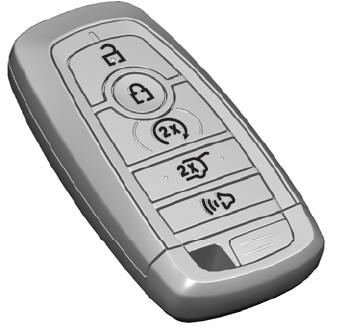
The passive key operates the power locks and the remote start system. The passive key must be in your vehicle to use the push button start.
Note: You may not be able to shift out of park (P) unless the passive key is inside your vehicle.
