
Lincoln Aviator 2020-2026 Owners Manual / Child Safety / Installing Child Restraints
Lincoln Aviator: Child Safety / Installing Child Restraints
 General Information
See the following sections for directions on
how to properly use safety restraints for
children.
WARNING: Always make sure your
child is secured properly in a device that
is appropriate for their height, age and
weight...
 Child Seats
Use a child restraint (sometimes called an
infant carrier, convertible seat, or toddler
seat) for infants, toddlers and children
weighing 40 lb (18 kg) or less (generally
four-years-old or younger)...
Other information:
Lincoln Aviator 2020-2026 Service Manual: Removal and Installation - Rear Door Tweeter Speaker
Removal NOTE: Removal steps in this procedure may contain installation details. Remove the rear door trim panel. Refer to: Rear Door Trim Panel (501-05 Interior Trim and Ornamentation, Removal and Installation). Remove the screws and the front door tweeter speaker...
Lincoln Aviator 2020-2026 Owners Manual: Resetting the System
Simultaneously press and hold the seek up and the audio unit power buttons until the screen goes black. Wait three minutes to allow the system to complete the reset. Press the audio unit power button to switch the system on. Note: You can reset the system to restore functionality that has stopped working...
Categories
- Manuals Home
- Lincoln Aviator Owners Manual
- Lincoln Aviator Service Manual
- Description and Operation - Jacking and Lifting
- Garage Door Opener
- Child Safety Locks
- New on site
- Most important about car
Remote Control
Passive Key
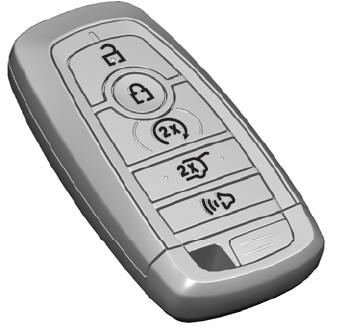
The passive key operates the power locks and the remote start system. The passive key must be in your vehicle to use the push button start.
Note: You may not be able to shift out of park (P) unless the passive key is inside your vehicle.

Copyright © 2026 www.liaviator2.com