
Lincoln Aviator 2020-2026 Owners Manual / Scheduled Maintenance / Normal Scheduled Maintenance
Lincoln Aviator: Scheduled Maintenance / Normal Scheduled Maintenance
 Multi-Point Inspection
In order to keep your vehicle running right,
it is important to have the systems on your
vehicle checked regularly. This can help
identify potential issues and prevent major
problems...
 Intelligent Oil-Life Monitor™
Your vehicle has an Intelligent Oil-Life
Monitor that determines when you should
change the engine oil based on how you use
your vehicle. By using several important
factors in its calculations, the monitor helps
reduce the cost of owning your vehicle and
reduces environmental waste at the same
time...
Other information:
Lincoln Aviator 2020-2026 Service Manual: General Procedures - Starter Motor Drive Gear and Flywheel Ring Gear Inspection
Inspection Remove the starter motor. Refer to: Starter Motor (303-06A Starting System - 3.0L EcoBoost, Removal and Installation). Check the wear patterns on the starter motor drive gear and the flywheel or flexplate ring gear. If the wear pattern is normal, then install the starter motor...
Lincoln Aviator 2020-2026 Service Manual: Removal and Installation - Headlamp Control Module (HCM)
Removal NOTE: This step is only necessary if the HCM is being replaced. NOTE: If installing a new module, it is necessary to upload the module configuration information to the scan tool prior to removing the module. This information must be downloaded into the new module after installation...
Categories
- Manuals Home
- Lincoln Aviator Owners Manual
- Lincoln Aviator Service Manual
- Wireless Accessory Charger (If Equipped)
- Body and Paint
- Description and Operation - Jacking and Lifting
- New on site
- Most important about car
Child Seats
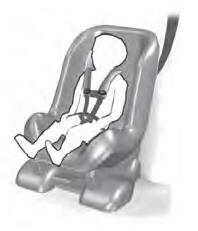
Use a child restraint (sometimes called an infant carrier, convertible seat, or toddler seat) for infants, toddlers and children weighing 40 lb (18 kg) or less (generally four-years-old or younger).
Using Lap and Shoulder Belts
WARNING: Do not place a rearward facing child restraint in front of an active airbag. Failure to follow this instruction could result in personal injury or death.

Copyright © 2026 www.liaviator2.com