
Lincoln Aviator: Electric Vehicle Information / Charge Settings
 The Charge Settings information
for your plug-in hybrid vehicle is
available through the Home screen
or under Vehicle Settings. To Improve your
charging experience, your vehicle has the
following convenience features.
The Charge Settings information
for your plug-in hybrid vehicle is
available through the Home screen
or under Vehicle Settings. To Improve your
charging experience, your vehicle has the
following convenience features.
Charge Times
Once you set up Charge Times for a specific charging location, your vehicle prioritizes charging based on your preferred time settings. You can set two preferred charging time windows for weekdays and two for weekends. This feature allows you to take advantage of electric utility rate plans that offer lower pricing during certain times of day. Contact your utility company to see what plans are available.
Note: You can also set up and use these features using the Lincoln Way app.
Departure Times
Setting Departure Times allows you to control charging schedules and have the vehicle cabin heated or cooled while plugged in, so your vehicle is ready to drive when you are. By setting a departure time your vehicle can use your charge time settings to minimize your electricity costs but still prioritize finishing charging before your scheduled departure. A calendar view allows you to program two departure times per day for each day of the week.
Note: You can also set up and use these features using the Lincoln Way app.
Charge Settings Screen
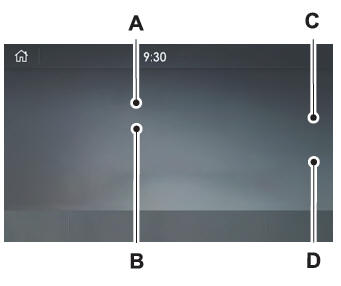
- Charging status.
- Charging time information.
- High voltage battery state of charge.
- Plug and charging status.
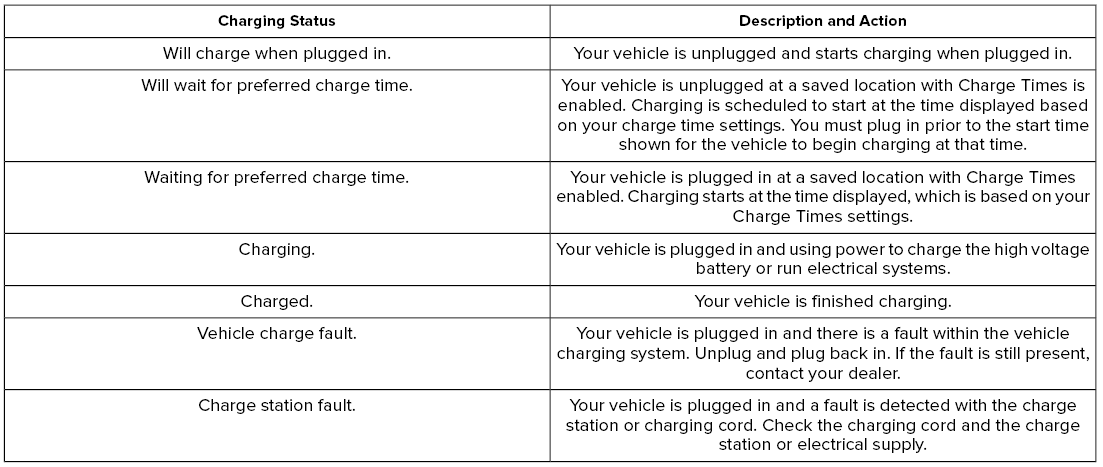
Charging Status
Displays the present state of the charging system.

Charging Time Information
Displays estimates of how long your vehicle takes to fully charge when plugged into a high or low power charger.
High power estimate: The minimum time to a 100% charge using a high power charger.
Low power estimate: The longest time to a 100% charge using a low power charger.
When charging, the start and estimated end time displays. When your vehicle is not plugged in and at a location with Charge Times enabled, the start and end times display based on known charging power.
Note: Charging durations and end times are only estimates. Certain conditions may result in longer charging times.
High Voltage Battery State of Charge
Displays the remaining charge percentage with 100% representing the total amount of energy you can get from an external charge.
Plug and Charging Status
Displays the plug and charging status icons.
 Not plugged in.
 Plugged in and not currently
charging.
Plugged in and not currently
charging.
 Plugged in and charging.
 Plugged in and waiting to charge
based on charge time settings.
Plugged in and waiting to charge
based on charge time settings.
 Engine On Due To
The following conditions help to explain why
the engine is on, and what you can do to
allow all electric operation.
Drive Power: The engine is on due to
accelerator pedal pressure or speed
control activation...
 Charge Preferences
Touch the button to access Charge Time and
Departure Time settings. Additional
information and settings are displayed on
the charge settings screen once Charge
Time or Departure Times are set up...
Other information:
Lincoln Aviator 2020-2026 Service Manual: Removal and Installation - Lower Arm Bracket
Special Tool(s) / General Equipment Flat Headed Screw Driver Vehicle/Axle Stands Removal NOTICE: Suspension fasteners are critical parts that affect the performance of vital components and systems. Failure of these fasteners may result in major service expense...
Lincoln Aviator 2020-2026 Service Manual: Diagnosis and Testing - Engine Temperature
Diagnostic Trouble Code (DTC) Chart Diagnostics in this manual assume a certain skill level and knowledge of Ford-specific diagnostic practices.REFER to: Diagnostic Methods (100-00 General Information, Description and Operation). Diagnostic Trouble Code Chart Module DTC Description Action PCM P0116:00 Engine Coolant Temperature Sensor 1 Circuit Range/Performance: No Sub Type Information GO to Pinpoint Test DL PCM P0116:00 Engine Coolant Temperature Sensor 1 Circuit Range/Performance: No Sub Type Information GO to Pinpoint Test DX PCM P0117:00 Engine Coolant Temperature Sensor 1 Circuit Low: No Sub Type Information GO to Pinpoint Test DX PCM P0118:00 Engine Coolant Temperature Sensor 1 Circuit High: No Sub Type Information GO to Pinpoint Test DX PCM P0119:00 Engine Coolant Temperature Sensor 1 Circuit Intermittent/Erratic: No Sub Type Information GO to Pinpoint Test DL PCM P0119:00 Engine Coolant Temperature Sensor 1 Circuit Intermittent/Erratic: No Sub Type Information GO to Pinpoint Test DX PCM P011E:00 Engine Coolant Temperature 1 / Ambient Air Temperature Correlation: No Sub Type Information GO to Pinpoint Test DX PCM P0125:00 Insufficient Coolant Temp For Closed Loop Fuel Control: No Sub Type Information GO to Pinpoint Test DL PCM P0125:00 Insufficient Coolant Temp For Closed Loop Fuel Control: No Sub Type Information GO to Pinpoint Test DX PCM P0128:00 Coolant Thermostat (Coolant Temp Below Thermostat Regulating Temperature): No Sub Type Information GO to Pinpoint Test DL PCM P0128:00 Coolant Thermostat (Coolant Temp Below Thermostat Regulating Temperature): No Sub Type Information GO to Pinpoint Test DX PCM P017C:00 Cylinder Head Temperature Sensor Circuit Low: No Sub Type Information GO to Pinpoint Test DL PCM P017D:00 Cylinder Head Temperature Sensor Circuit High: No Sub Type Information GO to Pinpoint Test DL PCM P017E:00 Cylinder Head Temperature Sensor Circuit Intermittent/Erratic: No Sub Type Information GO to Pinpoint Test DL PCM P101F:00 Cylinder Head Temperature Sensor 1 Out Of Self Test Range: No Sub Type Information GO to Pinpoint Test DL PCM P1021:00 Cylinder Head Temperature Sensor 2 Circuit Range/Performance: No Sub Type Information GO to Pinpoint Test DL PCM P1022:00 Cylinder Head Temperature Sensor 2 Circuit Low: No Sub Type Information GO to Pinpoint Test DL PCM P1023:00 Cylinder Head Temperature Sensor 2 Circuit High: No Sub Type Information GO to Pinpoint Test DL PCM P1024:00 Cylinder Head Temperature Sensor 2 Circuit Intermittent/Erratic: No Sub Type Information GO to Pinpoint Test DL PCM P1025:00 Cylinder Head Temperature Sensor 2 Out Of Self Test Range: No Sub Type Information GO to Pinpoint Test DL PCM P1026:00 Engine Coolant Temperature 1 / Cylinder Head Temperature 2 Correlation: No Sub Type Information GO to Pinpoint Test DL PCM P1116:00 Engine Coolant Temperature Sensor Out Of Self Test Range: No Sub Type Information GO to Pinpoint Test DX PCM P1117:00 Engine Coolant Temperature Sensor Circuit Intermittent: No Sub Type Information GO to Pinpoint Test DX PCM P111B:00 Engine Coolant Warm-Up Not Detected: No Sub Type Information GO to Pinpoint Test DX PCM P1285:00 Cylinder Head Over Temperature Condition: No Sub Type Information GO to Pinpoint Test DL PCM P1288:00 Cylinder Head Temperature Sensor Out Of Self Test Range: No Sub Type Information GO to Pinpoint Test DL PCM P1289:00 Cylinder Head Temperature Sensor Circuit High: No Sub Type Information GO to Pinpoint Test DL PCM P128A:00 Cylinder Head Temperature Sensor Circuit Intermittent/Erratic: No Sub Type Information GO to Pinpoint Test DL PCM P1290:00 Cylinder Head Temperature Sensor Circuit Low: No Sub Type Information GO to Pinpoint Test DL Global Customer Symptom Code (GCSC) Chart Diagnostics in this manual assume a certain skill level and knowledge of Ford-specific diagnostic practices...
Categories
- Manuals Home
- Lincoln Aviator Owners Manual
- Lincoln Aviator Service Manual
- Fuel Quality
- Tire Change Procedure
- Resetting the System
- New on site
- Most important about car
Locking and Unlocking the Doors from Inside
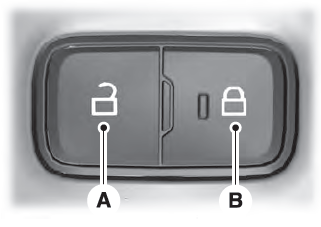
Locking the Doors
Press the lock switch on the door interior trim panel. The doors can no longer be released using the exterior door handle switches and the luggage compartment locks.
