Lincoln Aviator: Fuel and Refueling
WARNING: Do not overfill the fuel
tank. The pressure in an overfilled tank
may cause leakage and lead to fuel spray
and fire.
WARNING: The fuel system may be
under pressure...
Other information:
Diagnostic Trouble Code (DTC) Chart
Diagnostics in this manual assume a certain skill level and knowledge of Ford-specific diagnostic practices.REFER to: Diagnostic Methods (100-00 General Information, Description and Operation).
Diagnostic Trouble Code Chart
Module
DTC
Description
Action
PCM
P04DB:00
Crankcase Ventilation System Disconnected: No Sub Type Information
GO to Pinpoint Test HG
PCM
P051A:00
Crankcase Pressure Sensor A Circuit: No Sub Type Information
GO to Pinpoint Test HG
PCM
P051B:00
Crankcase Pressure Sensor Circuit Range/Performance: No Sub Type Information
GO to Pinpoint Test HG
PCM
P051C:00
Crankcase Pressure Sensor Circuit Low: No Sub Type Information
GO to Pinpoint Test HG
PCM
P051D:00
Crankcase Pressure Sensor Circuit High: No Sub Type Information
GO to Pinpoint Test HG
PCM
P051E:00
Crankcase Pressure Sensor A Circuit Intermittent/Erratic: No Sub Type Information
GO to Pinpoint Test HG
PCM
P2282:00
Air Leak Between Throttle Body And Intake Valve: No Sub Type Information
GO to Pinpoint Test HG
PCM
U060E:00
Lost Communication With Crankcase Pressure Sensor: No Sub Type Information
GO to Pinpoint Test HG
Global Customer Symptom Code (GCSC) Chart
Diagnostics in this manual assume a certain skill level and knowledge of Ford-specific diagnostic practices...
Diagnostic Trouble Code (DTC) Chart
Diagnostics in this manual assume a certain skill level and knowledge of Ford-specific diagnostic practices.REFER to: Diagnostic Methods (100-00 General Information, Description and Operation).
Diagnostic Trouble Code Chart
Module
DTC
Description
Action
PCM
P008A:00
Low Pressure Fuel System Pressure - Too Low: No Sub Type Information
GO to Pinpoint Test HC
PCM
P008B:00
Low Pressure Fuel System Pressure - Too High: No Sub Type Information
GO to Pinpoint Test HC
PCM
P00BA:00
Low Fuel Pressure - Forced Limited Power: No Sub Type Information
GO to Pinpoint Test HC
PCM
P00BB:00
Fuel Injector Insufficient Flow - Forced Limited Power: No Sub Type Information
GO to Pinpoint Test HC
PCM
P0148:00
Fuel Delivery Error: No Sub Type Information
GO to Pinpoint Test HC
PCM
P0230:00
Fuel Pump Primary Circuit: No Sub Type Information
GO to Pinpoint Test KC
PCM
P0231:00
Fuel Pump Secondary Circuit Low: No Sub Type Information
GO to Pinpoint Test KC
PCM
P0232:00
Fuel Pump Secondary Circuit High: No Sub Type Information
GO to Pinpoint Test KC
PCM
P025A:00
Fuel Pump Module A Control Circuit/Open: No Sub Type Information
GO to Pinpoint Test KC
PCM
P025B:00
Fuel Pump Module A Control Circuit Range/Performance: No Sub Type Information
GO to Pinpoint Test KC
PCM
P025C:00
Fuel Pump Module A Control Circuit Low: No Sub Type Information
GO to Pinpoint Test KC
PCM
P025D:00
Fuel Pump Module A Control Circuit High: No Sub Type Information
GO to Pinpoint Test KC
PCM
P027B:00
Fuel Pump Module B Control Circuit Range/Performance: No Sub Type Information
GO to Pinpoint Test KC
PCM
P0627:00
Fuel Pump A Control Circuit/Open: No Sub Type Information
GO to Pinpoint Test KC
PCM
P064A:00
Fuel Pump Control Module A: No Sub Type Information
GO to Pinpoint Test KC
PCM
P166A:00
Restraints Deployment Communication Circuit: No Sub Type Information
GO to Pinpoint Test KC
PCM
P2632:00
Fuel Pump B Control Circuit/Open: No Sub Type Information
GO to Pinpoint Test KC
PCM
P26EA:00
Fuel Pump Control Module B: No Sub Type Information
GO to Pinpoint Test KC
PCM
U0109:00
Lost Communication With Fuel Pump Control Module A: No Sub Type Information
GO to Pinpoint Test KC
PCM
U016C:00
Lost Communication With Fuel Pump Control Module B: No Sub Type Information
GO to Pinpoint Test KC
PCM
U210B:00
Lost Communication Between Fuel Pump Control
Module A And Restraints Control Module: No Sub Type Information
GO to Pinpoint Test KC
Global Customer Symptom Code (GCSC) Chart
Diagnostics in this manual assume a certain skill level and knowledge of Ford-specific diagnostic practices...
mostbet login
Categories

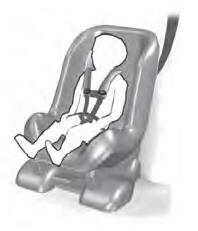
Use a child restraint (sometimes called an
infant carrier, convertible seat, or toddler
seat) for infants, toddlers and children
weighing 40 lb (18 kg) or less (generally
four-years-old or younger).
Using Lap and Shoulder Belts
WARNING: Do not place a rearward
facing child restraint in front of an active
airbag. Failure to follow this instruction
could result in personal injury or death.
read more