
Lincoln Aviator: Fuel Filler Funnel Location. Running Out of Fuel / Adding Fuel From a Portable Fuel Container
WARNING: Do not insert the nozzle of a fuel container or an aftermarket funnel into the fuel filler neck. This may damage the fuel system filler neck or its seal and cause fuel to run onto the ground.
WARNING: Do not try to pry open or push open the capless fuel system with foreign objects. This could damage the fuel system and its seal and cause injury to you or others.
WARNING: Do not dispose of fuel in the household refuse or the public sewage system. Use an authorized waste disposal facility.
When refueling the vehicle fuel tank from a fuel container, use the fuel filler funnel included with your vehicle.
Note: Do not use aftermarket funnels as they may not work with the capless fuel system and can damage it.
When refueling the vehicle fuel tank from a fuel container, do the following:
- Fully open the fuel filler door.
- Fully insert the fuel filler funnel into the
fuel filler inlet.
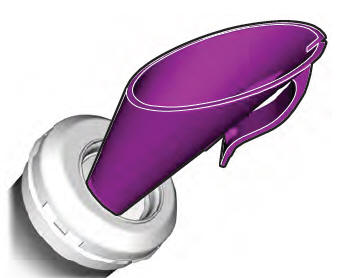
- Add fuel to your vehicle from the fuel container.
- Remove the fuel filler funnel.
- Fully close the fuel filler door.
- Clean the fuel filler funnel and place it back in your vehicle or correctly dispose of it.
Note: Extra funnels can be purchased from an authorized dealer if you choose to dispose of the funnel.
 Filling a Portable Fuel Container
WARNING: Flow of fuel through a
fuel pump nozzle can produce static
electricity. This can cause a fire if you are
filling an ungrounded fuel container...
 Refueling
WARNING: When refueling always
shut the engine off and never allow sparks
or open flames near the fuel tank filler
valve. Never smoke or use a cell phone
while refueling...
Other information:
Lincoln Aviator 2020-2026 Service Manual: Removal and Installation - Headlamp Assembly
Removal NOTE: Removal steps in this procedure may contain installation details. NOTE: LH side shown, RH side similar. Remove the front bumper cover. Refer to: Front Bumper Cover (501-19 Bumpers, Removal and Installation). Remove the headlamp assembly bolts...
Lincoln Aviator 2020-2026 Service Manual: Removal and Installation - Rear Door Skin Panel
Special Tool(s) / General Equipment Resistance Spotwelding Equipment Scraper for Straight Edges Grinder Hot Air Gun Knife Spot Weld Drill Bit Locking Pliers Materials Name Specification Metal Bonding AdhesiveTA-1, TA-1-B, 3M™ 08115, LORD Fusor® 108B - Seam SealerTA-2-B, 3M™ 08308, LORD Fusor® 803DTM - Flexible Foam Repair3M™ 08463, LORD Fusor® 121 - Removal WARNING: Electric vehicles damaged by a crash may have compromised high voltage safety systems and present a potential high voltage electrical shock hazard...
Categories
- Manuals Home
- Lincoln Aviator Owners Manual
- Lincoln Aviator Service Manual
- Opening and Closing the Hood
- Configuring The Head Up Display
- Remove and Reinstall the Battery
- New on site
- Most important about car
Emergency Locking
Each door has a backup power system which allows the door to function if your vehicle has no power. The system has a limited number of operations before the power is depleted and turns off. When the system turns off, the door remains open and unlatched and does not close.
If your vehicle has no power and the backup power system is turned off, you can close and secure your vehicle by manually resetting each door latch using a key in the position shown.
