
Lincoln Aviator 2020-2026 Owners Manual / All-Wheel Drive
Lincoln Aviator: All-Wheel Drive
- Using All-Wheel Drive
- Operating All-Wheel Drive (AWD) Vehicles With Spare Tires
- Operating ALL-Wheel drive (AWD) Vehicles with Mismatched Tires
- How Your Vehicle Differs from Other Vehicles
- Driving in Special Conditions With All-Wheel Drive (AWD)
- Driving on Snow and Ice
- Maintenance and Modifications
 If Your Vehicle Gets Stuck in Mud or Snow
Note: Do not rock the vehicle if the engine
is not at normal operating temperature or
damage to the transmission could occur.
Note: Do not rock the vehicle for more than
a minute or damage to the transmission and
tires could occur, or the engine could
overheat...
 Using All-Wheel Drive
WARNING: Vehicles with a higher
center of gravity (utility and four-wheel
drive vehicles) handle differently than
vehicles with a lower center of gravity
(passenger cars)...
Other information:
Lincoln Aviator 2020-2026 Owners Manual: Canceling and Resuming the Set Speed
Canceling Press the button, or tap the brake pedal to cancel the set speed. Note: The system remembers the set speed. Note: The system cancels if the vehicle speed drops below 10 mph (16 km/h) under the set speed when driving uphill. Resuming Press the button...
Lincoln Aviator 2020-2026 Service Manual: Specifications
General Specifications Item Specification Plug Weld hole 8 mm (0.315 in) Weld Wire ER70S-3 0.9 mm (0.0354 in) - 1.1 mm (0.0433 in) Weld Wire ER70S-6 0...
Categories
- Manuals Home
- Lincoln Aviator Owners Manual
- Lincoln Aviator Service Manual
- Description and Operation - Body and Frame
- Garage Door Opener
- USB Port and Power Point Locations
- New on site
- Most important about car
Child Seats
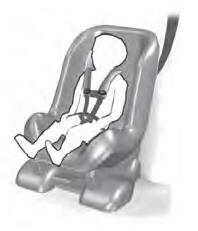
Use a child restraint (sometimes called an infant carrier, convertible seat, or toddler seat) for infants, toddlers and children weighing 40 lb (18 kg) or less (generally four-years-old or younger).
Using Lap and Shoulder Belts
WARNING: Do not place a rearward facing child restraint in front of an active airbag. Failure to follow this instruction could result in personal injury or death.

Copyright © 2026 www.liaviator2.com