
Lincoln Aviator: Body and Paint / Front Seats
- General Procedures - Seat Heater Mat Installation
- General Procedures - Seat Heater Mat Removal
- Removal and Installation - Driver Front Seat Module (DSM)
- Removal and Installation - Driver Multi-Contour Seat Module [SCMG]
- Removal and Installation - Front Head Restraint
- Removal and Installation - Front Head Restraint Guide Sleeve
- Removal and Installation - Front Seat
- Removal and Installation - Front Seat Backrest
- Removal and Installation - Front Seat Backrest Blower Motor
- Removal and Installation - Front Seat Backrest Cover - Vehicles Without: Multi-Contour Seats
- Removal and Installation - Front Seat Backrest Cover - Vehicles With: Multi-Contour Seats
- Removal and Installation - Front Seat Backrest Panel
- Removal and Installation - Front Seat Control Switch
- Removal and Installation - Front Seat Cushion Adjuster - Vehicles With: Multi-Contour Seats
- Removal and Installation - Front Seat Cushion Blower Motor
- Removal and Installation - Front Seat Cushion Cover - Vehicles Without: Multi-Contour Seats
- Removal and Installation - Front Seat Cushion Cover - Vehicles With: Multi-Contour Seats
- Removal and Installation - Front Seat Cushion Extension Adjuster
- Removal and Installation - Front Seat Power Lumbar Assembly - Vehicles Without: Multi-Contour Seats
- Removal and Installation - Front Seat Power Lumbar Assembly - Vehicles With: Multi-Contour Seats
- Removal and Installation - Front Seat Track
 Description and Operation - Front Seats - System Operation and Component Description
System Operation
System Diagram - Driver Memory Seat
Item
Description
1
HS-CAN1
2
PCM
3
BCM
4
HS-CAN1
5
Ignition Switch
6
GWM
7
Memory Set Switch
8
MS-CAN
9
DSM
10
MS-CAN
11
DDM
12
Memory Power Seat Motors
13
LIN
14
Driver Seat Control Switch
15
SCMG
16
MS-CAN
17
With Multi-Contour Seats
Network Message Chart - Driver Memory Seat
DSM Network Input Messages
Broadcast Message
Originating Module
Message Purpose
Key-in-ignition status
BCM
Provides the ignition status...
 General Procedures - Seat Heater Mat Installation
Repair
NOTE:
Click here to view a video version of the seat heater mat removal and installation. View
NOTE:
Always install a new heater mat...
Other information:
Lincoln Aviator 2020-2026 Service Manual: Removal and Installation - Camshaft Roller Follower
Special Tool(s) / General Equipment 303-1633Remover, Roller Rocker FollowerTKIT-2014D-ROW3TKIT-2014D-FL_ROW Removal NOTICE: During engine repair procedures, cleanliness is extremely important. Any foreign material, including any material created while cleaning gasket surfaces, that enters the oil passages, coolant passages or the oil pan, can cause engine failure...
Lincoln Aviator 2020-2026 Owners Manual: Seatbelt Reminder
WARNING: The system will only provide protection when you use the seatbelt correctly. This system monitors all seating positions and provides audio and graphic feedback. This lamp illuminates and a warning tone sounds if you do not fasten your seatbelt when you switch the ignition on...
Categories
- Manuals Home
- Lincoln Aviator Owners Manual
- Lincoln Aviator Service Manual
- Child Safety Locks
- Remove and Reinstall the Battery
- Disabling Auto-Start-Stop
- New on site
- Most important about car
Child Seats
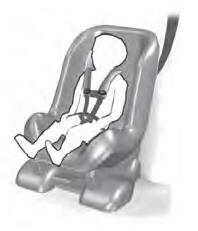
Use a child restraint (sometimes called an infant carrier, convertible seat, or toddler seat) for infants, toddlers and children weighing 40 lb (18 kg) or less (generally four-years-old or younger).
Using Lap and Shoulder Belts
WARNING: Do not place a rearward facing child restraint in front of an active airbag. Failure to follow this instruction could result in personal injury or death.

Copyright © 2026 www.liaviator2.com